
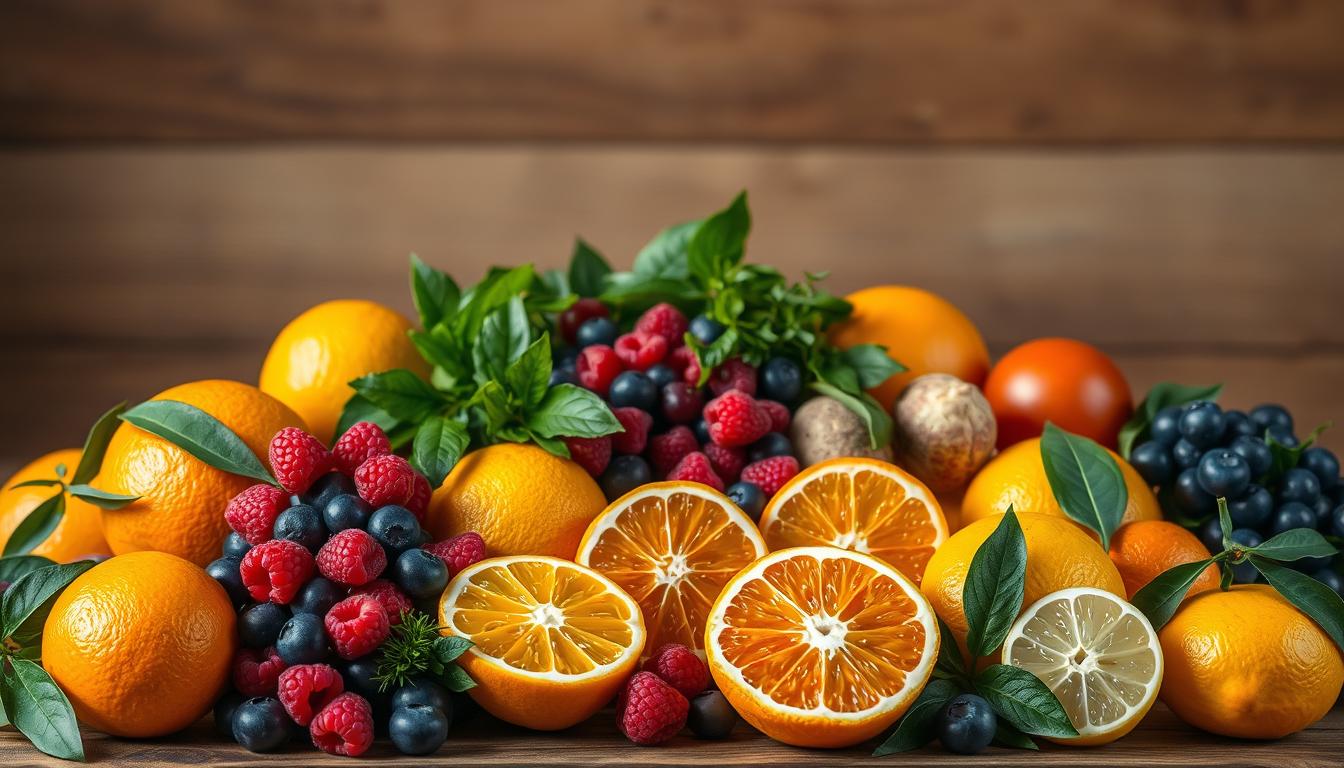
Are you wondering how to keep your immune system strong and resilient? In today’s fast-paced world, maintaining a healthy immune system is more crucial than ever. One of the most effective ways to support your immune system is through your diet.
Eating the right foods can make a significant difference in how your body fights off infections and diseases. Immunity-boosting foods are rich in vitamins, minerals, and antioxidants that help support immune system function.
By incorporating these foods into your daily meals, you can enhance your body’s natural defenses and stay healthier. A well-supported immune system not only protects you from illnesses but also contributes to overall well-being.
Key Takeaways
Table of Contents
- Understanding the role of diet in immune function
- Identifying key immunity-boosting foods
- Learning how to incorporate these foods into your diet
- Recognizing the benefits of a supported immune system
- Enhancing overall health through dietary choices
Understanding Your Immune System and How Food Impacts It
Understanding how your immune system works and how food affects it is crucial for maintaining overall health. A well-functioning immune system is vital for fighting off infections and diseases.
How Your Immune System Protects You
Your immune system is a complex network of cells, tissues, and organs that work together to defend your body against harmful pathogens. It identifies and neutralizes foreign substances, such as bacteria, viruses, and other germs, before they cause harm. A healthy immune system is essential for overall well-being, and healthy eating for immunity plays a significant role in supporting its function.
The Crucial Connection Between Diet and Immunity
The food you eat has a direct impact on your immune system’s ability to function properly. A diet rich in essential nutrients, such as vitamins, minerals, and antioxidants, helps to support immune function. Conversely, a diet lacking in these nutrients can weaken your immune system, making you more susceptible to illness. Incorporating natural ways to boost immunity into your diet can help keep your immune system strong.
Key Nutrients That Support Immune Function
Certain nutrients are particularly important for immune function, including vitamin C, vitamin D, zinc, and iron. These immune-boosting nutrients help to support the production of immune cells and the functioning of the immune system as a whole. Ensuring you get enough of these nutrients through your diet is crucial for maintaining a healthy immune system.
Vitamin C-Rich Foods: Your First Line of Defense
Boosting your immunity starts with Vitamin C, a vital nutrient found in a variety of delicious foods. This essential vitamin plays a significant role in protecting against infections and supporting overall health.
Citrus Fruits and Their Immune Benefits
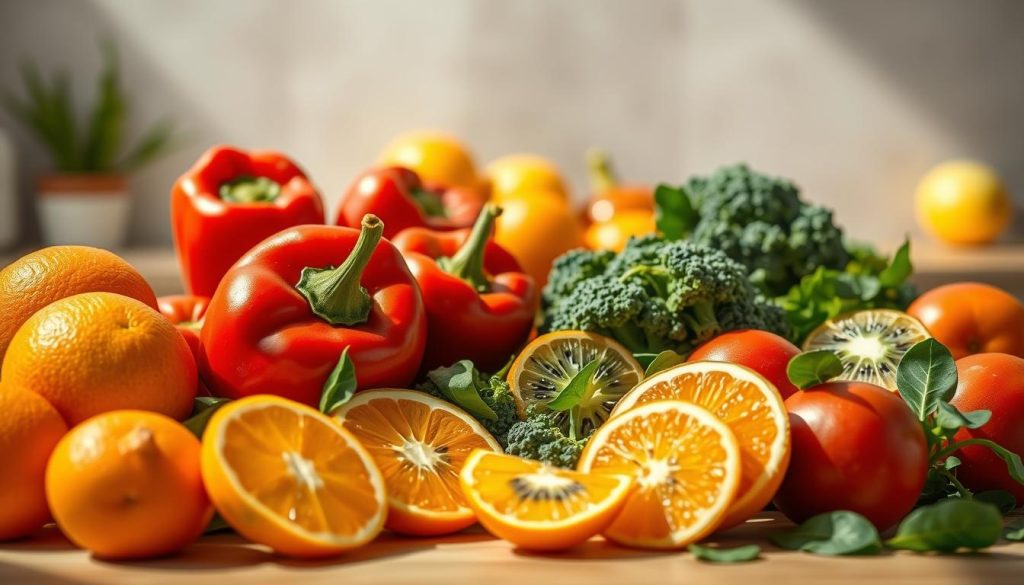
Citrus fruits like oranges, grapefruits, and lemons are well-known for their high Vitamin C content. Consuming these fruits can help boost your immune system and provide a refreshing way to stay healthy.
Surprising Non-Citrus Sources of Vitamin C
Beyond citrus fruits, other foods rich in Vitamin C include strawberries, bell peppers, and broccoli. Incorporating these into your diet can provide a diverse range of immune-boosting benefits.
How to Maximize Vitamin C Absorption
To get the most out of Vitamin C, consume foods raw or lightly cooked, as heat can destroy this delicate vitamin. Also, eating a variety of Vitamin C-rich foods ensures you get enough of this crucial nutrient.
Daily Recommended Intake for Optimal Protection
The daily recommended intake of Vitamin C varies by age and other factors, but generally, adults should aim for 60-90 mg per day. Meeting this quota can be achieved by including a mix of Vitamin C-rich foods in your daily meals.
Powerful Immunity-Boosting Foods to Add to Your Diet
Incorporating the right foods into your diet can significantly enhance your immune system. A well-balanced diet rich in essential nutrients is crucial for maintaining a healthy immune system.
Colorful Berries and Their Antioxidant Superpowers
Colorful berries such as blueberries, strawberries, and raspberries are packed with antioxidants, vitamins, and minerals that help protect your cells from damage and support immune function. Blueberries, for instance, are rich in vitamin C and anthocyanins, which have been shown to have anti-inflammatory properties.
Leafy Greens and Cruciferous Vegetables
Leafy greens like spinach and kale, along with cruciferous vegetables such as broccoli and cauliflower, are rich in vitamins A, C, and E, as well as fiber and antioxidants. These nutrients help support the immune system and protect against infections.
Nuts, Seeds, and Their Immune-Supporting Minerals
Nuts and seeds are excellent sources of immune-supporting minerals like zinc and selenium. Almonds, sunflower seeds, and pumpkin seeds are particularly beneficial.
Mushrooms: The Underrated Immune Enhancers
Certain mushrooms, such as reishi, shiitake, and chaga, have been used for centuries for their immune-boosting properties. They contain beta-glucans, which stimulate the immune system.
| Food | Key Nutrient | Immune Benefit |
|---|---|---|
| Blueberries | Vitamin C | Antioxidant, anti-inflammatory |
| Spinach | Vitamin A | Supports immune cell function |
| Almonds | Zinc | Supports immune cell development |
Probiotic-Rich Foods for Gut and Immune Health
A healthy gut is the cornerstone of a robust immune system, and probiotic-rich foods play a crucial role in maintaining this delicate balance. The gut microbiome, composed of trillions of microorganisms, is responsible for a significant portion of our immune function. By incorporating probiotic-rich foods into our diet, we can support the health of our gut microbiome, thereby enhancing our immune response.
Understanding the Gut-Immunity Connection
The connection between the gut and the immune system is complex and bidirectional. The gut microbiome influences the immune system by regulating the barrier function of the epithelial lining, producing antimicrobial peptides, and modulating the inflammatory response. In turn, the immune system affects the gut microbiome by shaping its composition and function.
Top Fermented Foods to Incorporate Daily
Fermented foods are a rich source of probiotics, which are live microorganisms that confer health benefits when administered in adequate amounts. Some of the top fermented foods to include in your daily diet are:
- Yogurt (with live cultures)
- Sauerkraut
- Kimchi
- Kefir
- Miso
- Tempeh
Incorporating these foods into your diet can be simple. For example, you can add sauerkraut to your salads or use kimchi as a topping for soups and noodle dishes.
How to Make Your Own Probiotic Foods at Home
Making your own probiotic foods at home can be a fun and rewarding process. Here’s a simple recipe to get you started:
- Prepare a brine solution (water and salt).
- Chop your chosen vegetable (e.g., cabbage for sauerkraut).
- Massage the vegetable with salt to release juices.
- Pack the mixture into a jar, ensuring it’s submerged under its juices.
- Allow it to ferment at room temperature for several days.
Combining Prebiotics and Probiotics for Maximum Benefit
Prebiotics are non-digestible fibers that serve as food for probiotics, enhancing their survival and activity. Combining prebiotics and probiotics can have a synergistic effect, often referred to as synbiotics. Foods rich in prebiotics include asparagus, bananas, and onions.
| Food Type | Prebiotic Content | Probiotic Content |
|---|---|---|
| Asparagus | High | Low |
| Yogurt | Low | High |
| Onions | High | Low |
| Sauerkraut | Low | High |
By understanding the gut-immunity connection and incorporating probiotic-rich foods, along with prebiotics, into our diet, we can take a proactive approach to supporting our immune health.
Immune-Boosting Herbs and Spices
The right herbs and spices can transform your meals into immune-boosting experiences. By incorporating these natural ingredients into your diet, you can enhance both the flavor and nutritional value of your food.
Garlic and Onions: Nature’s Antibiotics
Garlic and onions are renowned for their immune-boosting properties. They contain compounds that have been shown to combat infections and support overall health. Adding them to your meals can be as simple as sautéing them with vegetables or using them in soups and stews.
Turmeric, Ginger, and Other Anti-inflammatory Spices
Turmeric and ginger are celebrated for their anti-inflammatory properties, which can help in reducing the risk of infections. Incorporating these spices into your daily meals can be done through teas, curries, or even smoothies.
Medicinal Herbs That Support Immune Function
Certain herbs like echinacea and elderberry are known for their immune-supporting properties. They can be consumed as teas, supplements, or added to various recipes.
Easy Ways to Incorporate Herbs into Your Daily Meals
To make the most of immune-boosting herbs and spices, try adding them to your favorite recipes or experimenting with new ones. You can also make teas or infusions for an easy and comforting way to support your immune system.
Hydration and Immune-Boosting Beverages
Proper hydration is vital for the optimal functioning of the immune system. Even mild dehydration can make us more susceptible to illness. In this section, we’ll explore the importance of hydration and highlight some immune-boosting beverages that can help keep you healthy.
Why Proper Hydration Is Essential for Immunity
Water plays a crucial role in the functioning of our immune system. It helps in the production of lymph, which carries white blood cells and other immune cells throughout the body. Adequate hydration ensures that these cells can function properly, helping to fight off infections and diseases.
Herbal Teas That Fight Infection
Herbal teas are not only soothing but also packed with antioxidants and other compounds that can boost immunity. Some of the most effective immune-boosting herbal teas include:
- Echinacea tea, known for its anti-inflammatory properties
- Ginger tea, which can help reduce inflammation and fight off infections
- Elderberry tea, rich in antioxidants and vitamins
Immune-Supporting Smoothie Recipes
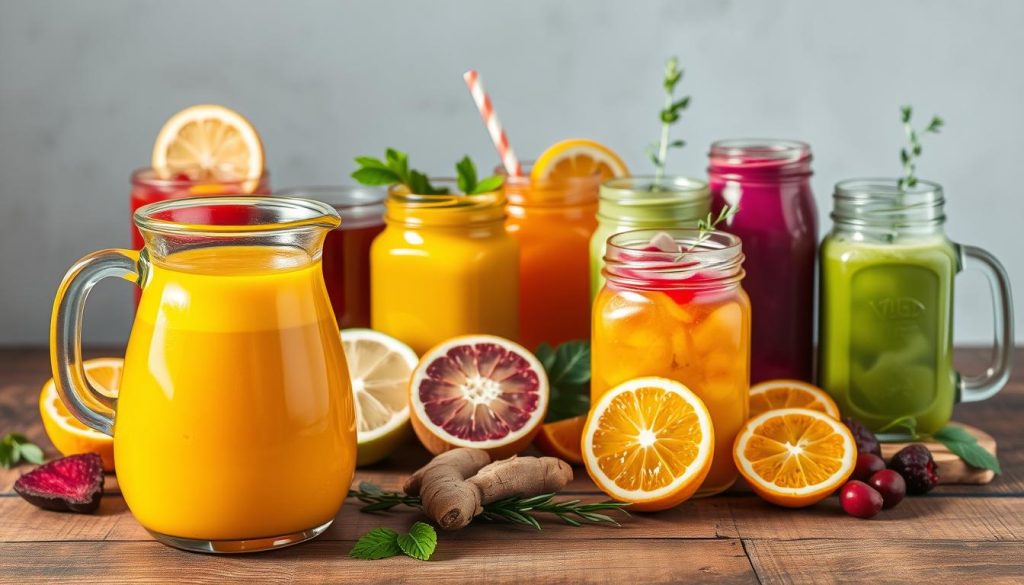
Smoothies can be a delicious way to boost your immunity. Here are some ingredients you can include:
| Ingredient | Immune Benefit |
|---|---|
| Blueberries | Rich in antioxidants |
| Spinach | Packed with vitamins and minerals |
| Ginger | Anti-inflammatory properties |
Drinks to Avoid That Weaken Your Immune System
While some beverages can boost immunity, others can weaken it. It’s essential to limit or avoid drinks that are high in sugar, caffeine, and artificial additives. These include sugary sodas, energy drinks, and excessive alcohol consumption.
By staying hydrated and incorporating immune-boosting beverages into your diet, you can help support your immune system and overall health.
Creating a Seasonal Immunity-Boosting Meal Plan
A seasonal approach to meal planning can help ensure you’re consuming the best foods for immunity throughout the year. By incorporating a variety of immunity-boosting foods into your diet, you can significantly enhance your overall health and resilience against infections.
Sample Daily Meal Plans for Year-Round Immune Support
Creating a meal plan that supports immune function involves more than just picking the right foods; it’s about creating a balanced diet that includes a variety of nutrient-dense foods. For example, during the winter months, focus on hearty soups and stews rich in vegetables and beans.
Quick Breakfast Options for Busy Mornings
Starting your day with a nutritious breakfast is crucial. Consider options like overnight oats with fruit and nuts, or a smoothie bowl with spinach, banana, and almond milk.
Nutrient-Dense Lunch and Dinner Ideas
For lunch and dinner, incorporate plenty of colorful vegetables, lean proteins, and whole grains. A simple and effective option is a grilled chicken or fish with roasted vegetables and quinoa.
Immunity-Supporting Snacks and Desserts
Snacking on fruits, nuts, and veggies with hummus can be both satisfying and healthy. For desserts, try making a fruit salad with a dollop of yogurt or enjoying a piece of dark chocolate.
Shopping List for Optimal Immune Health
To make healthy eating easier, keep a well-stocked pantry with staples like canned beans, whole grains, and a variety of spices. Your shopping list should include fresh produce, lean proteins, and healthy fats.
“The food you eat can either be the safest and most powerful form of medicine, or the slowest form of poison.” – Ann Wigmore
Meal Prep Tips to Make Healthy Eating Easier
Meal prep is a great way to ensure you’re eating healthy, immune-boosting meals even on the busiest days. Start by planning your meals for the week, then prep ingredients like grains, vegetables, and proteins.
By following these tips and incorporating immune-boosting recipes into your meal plan, you can enjoy a healthier, more resilient you.
Conclusion: Building Long-Term Immunity Through Consistent Nutrition
Maintaining a strong immune system is crucial for overall health, and the right nutrition plays a vital role in achieving this. By incorporating immune-boosting foods, such as vitamin C-rich fruits, leafy greens, and probiotic-rich fermented foods, you can provide your body with the necessary tools to fight off infections.
Consistency is key. Rather than seeking quick fixes, focus on making sustainable lifestyle changes that promote long-term immune system support. This includes staying hydrated, consuming a balanced diet, and exploring natural ways to boost immunity, such as herbal teas and immune-supporting smoothie recipes.
By adopting these habits, you can empower your body to defend against illnesses and maintain optimal health. Start your journey to a stronger immune system today by making informed choices about the foods you eat and the beverages you drink.
FAQ
What are the best immunity-boosting foods to eat during flu season?
Foods rich in Vitamin C, such as citrus fruits and leafy greens, are excellent for boosting immunity. Other beneficial foods include berries, nuts, seeds, and mushrooms, which are packed with antioxidants and essential minerals.
How does diet impact my immune system?
A diet rich in essential nutrients supports immune function, while a diet lacking in these nutrients can weaken it. Foods high in antioxidants, fiber, and certain vitamins and minerals play a crucial role in maintaining a healthy immune system.
Can I boost my immunity with just supplements, or do I need to eat whole foods?
While supplements can help fill nutritional gaps, whole foods provide a complex mix of nutrients, fiber, and other beneficial compounds that work together to support immune function. Eating a balanced diet that includes a variety of whole foods is the best way to support your immune system.
Are there any specific foods that can help support gut health and immunity?
Yes, probiotic-rich foods like yogurt, kefir, and fermented vegetables support gut health, which is closely linked to immune function. Prebiotic-rich foods, such as asparagus and bananas, can also help by feeding the good bacteria in your gut.
How can I incorporate immune-boosting herbs and spices into my diet?
Herbs and spices like garlic, onions, turmeric, and ginger have immune-boosting properties. You can add them to your meals in various forms, such as fresh, dried, or powdered, to enhance flavor and support immune function.
What are some healthy beverage options that can support immune function?
Herbal teas, such as elderberry and echinacea tea, and smoothies made with immune-boosting ingredients like berries and spinach can support immune function. Staying hydrated with plenty of water is also essential.
Can certain drinks weaken my immune system?
Yes, sugary drinks, alcohol, and caffeinated beverages can weaken your immune system if consumed excessively. Limiting or avoiding these drinks can help support immune health.
How can I create a meal plan that supports my immune system?
Start by incorporating a variety of immune-boosting foods into your diet, including fruits, vegetables, whole grains, lean proteins, and healthy fats. Plan your meals around seasonal produce and include a mix of raw and cooked foods to maximize nutrient intake.